Trim Work services in Birmingham
Trim Work service Experts
Craftsmanship in interior and exterior trim to enhance architectural detail and value.
Professional Trim Work That Gives Your Home A More Refined Finished Look
Trim is one of the details that can define how finished a room or exterior area feels. Our remodeling and renovation services help homeowners improve the visual connection between walls, doors, windows, floors, ceilings, and other architectural features. When damaged, outdated, incomplete, or mismatched trim needs attention, professional trim work can add cleaner transitions and stronger visual definition throughout the property. For homeowners completing broader improvements, door and window replacement can also be coordinated with surrounding trim updates.
Trim installation and replacement requires careful attention to measurements, angles, corners, transitions, existing materials, and the architectural character of the home. Whether the project involves baseboards, casing, crown details, or other finish pieces, the goal is to create a clean result that looks intentional and works naturally with the surrounding space.
Detailed Trim Improvements Can Bring Definition And Continuity To Interior Spaces
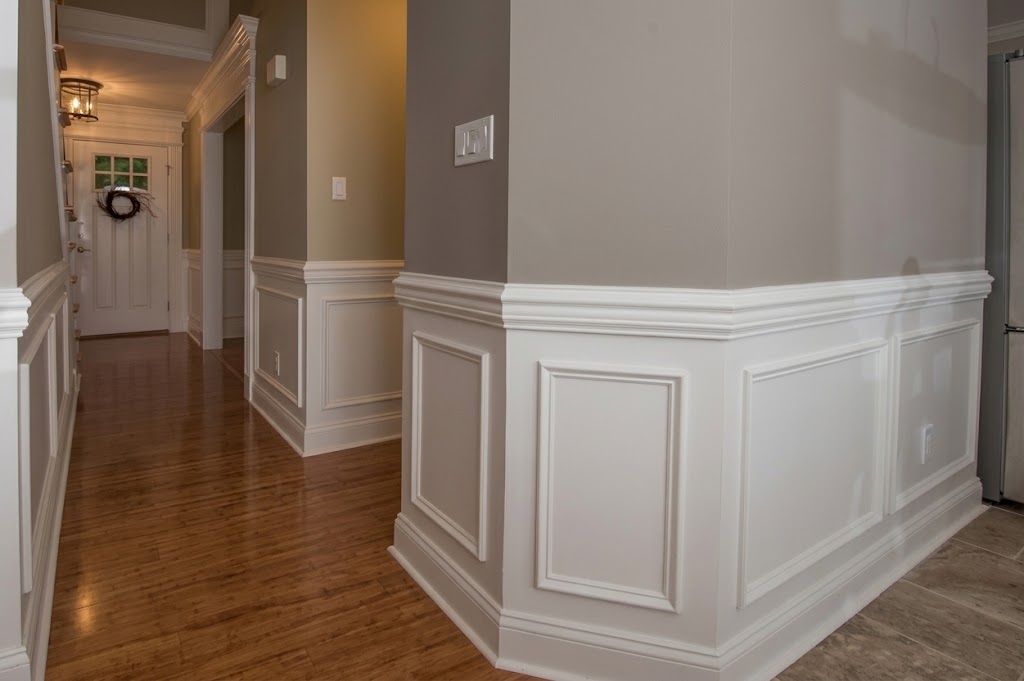
Trim helps frame many of the most visible features inside a home. Baseboards, door casing, window casing, crown molding, transitions, and other finish pieces can cover necessary joints while also contributing to the room's overall design. When these details are missing, damaged, or inconsistent, even a larger renovation can feel incomplete.
A successful Trim Work project should consider the existing architecture, dimensions, adjoining surfaces, material profiles, corners, transitions, and the homeowner's preferred appearance. Depending on the project, updated trim can help:
- Create cleaner visual transitions between walls, floors, doors, windows, and ceilings
- Replace damaged, cracked, loose, outdated, or mismatched finish pieces
- Provide a more polished appearance after flooring, painting, or other renovation work
- Give doorways and windows stronger architectural definition
- Tie different design elements together so renovated areas feel more cohesive
- Complete unfinished sections of a remodeling or home improvement project
The objective is to make the trim feel like a natural part of the property's design rather than an afterthought added after the main renovation is complete.
Custom Trim Work Tailored To Homes Throughout Our Service Communities
Homes across our service region can differ significantly in architectural style, age, room dimensions, renovation history, and existing finish details. Because trim must connect directly with the surfaces around it, we approach every project according to the specific characteristics of the property rather than applying the same finishing plan everywhere.
- Birmingham : Birmingham homes can feature everything from traditional architectural details to modern renovations. Trim work can be tailored to restore missing finishes, update dated profiles, or complement recently renovated rooms while respecting the home's existing character.
- Auburn : Auburn homeowners may use trim improvements to finish a remodel, update individual rooms, or sharpen the appearance around doors and windows. We consider the surrounding materials and proportions when organizing the work.
- Hoover : Hoover properties can include open modern interiors as well as established residential designs. New or replacement trim can help create cleaner transitions and bring consistency to renovated areas.
- Vestavia : Vestavia homes may have distinctive architectural elements that homeowners want their improvements to complement. Trim installation can be planned around existing proportions, room details, openings, and other finished surfaces.
- Alabaster : Alabaster homeowners may replace worn baseboards, update window or door casing, or complete trim after a remodeling project. We consider the room's current condition and the desired finished appearance.
- Bessemer : Bessemer properties can benefit from targeted finish improvements where older or damaged trim no longer matches the home's current condition. New trim can help create a more consistent appearance throughout renovated areas.
- Homewood : Homewood residences can contain established architectural details that make proportion and profile selection especially important. Trim projects can be coordinated with those details to preserve a balanced overall look.
- Trussville : Trussville homeowners may need trim as part of flooring updates, doorway improvements, window replacements, or room renovations. We organize the work around the specific transitions and finish conditions involved.
- Daphne : Daphne properties may feature bright, open interiors and strong connections between different living areas. Trim work can help frame openings and establish cleaner visual boundaries between adjoining finishes.
- Opelika : Opelika homeowners may pursue trim upgrades during a focused room refresh or alongside a larger renovation. We consider the existing walls, floors, openings, and architectural details when developing the finishing approach.
- Pelham : Pelham homes can benefit from replacing mismatched or worn finish pieces that interrupt an otherwise updated interior. Trim work can provide a cleaner visual connection between remodeled areas and existing construction.
- Fairhope : Fairhope homeowners may place a strong emphasis on the finished appearance of their interiors. Trim details can be selected and installed to complement existing design elements while creating more refined transitions.
- Foley : Foley renovation projects may involve new trim around doors, windows, floors, walls, or other updated areas. We account for the existing construction and surrounding finish materials when completing the installation.
- Calera : Calera homeowners can use trim improvements to finish newly renovated rooms, replace aging details, or create more consistent transitions throughout the home. Each project is organized around the property's actual layout.
Trim Work Options Designed To Complete And Refine Your Home's Existing Features
Every trim project has different requirements depending on the room, existing finish materials, dimensions, profile preferences, and surrounding construction. The exact scope of Trim Work is based on the areas being improved and the finished appearance the homeowner wants to achieve. Services may include:
- Baseboard Installation And Replacement for creating a finished transition between walls and flooring
- Door Casing for framing interior and exterior openings with a more complete architectural finish
- Window Casing for giving window openings a cleaner and more defined appearance
- Crown And Decorative Trim for adding additional architectural definition where appropriate
- Transition Trim for coordinating changes between flooring, walls, openings, and other finished surfaces
- Trim Replacement for damaged, outdated, mismatched, loose, or deteriorated finish pieces
- Project-Specific Finish Detailing with attention to measurements, corners, alignment, joints, and overall consistency
No two trim projects are exactly alike. The selected profile, preparation, installation method, transitions, and finishing details should reflect the room and the property's existing design.
Precise Measuring And Surface Preparation Set The Stage For Cleaner Trim Installation
Trim installation requires careful preparation because finish pieces meet directly with walls, ceilings, floors, doors, windows, and other architectural features. Uneven surfaces, existing materials, damaged sections, old fastener locations, and unusual corners can all influence the preparation needed before new trim is installed.
Preparing the work area appropriately helps establish cleaner lines and more consistent transitions. Depending on the project, preparation may involve measuring the installation area, reviewing existing surfaces, identifying corners and openings, organizing material placement, and planning the connections between new trim and adjacent finishes.
Well-Planned Trim Details Can Make Renovated Rooms Feel More Complete
Trim is often most effective when it supports the existing proportions and character of the room. Baseboards, casing, crown details, and other finish elements can influence how the eye moves across a space, especially where different materials meet.
Whether a homeowner wants a subtle refresh or a more noticeable architectural update, the trim should work with the room rather than compete with it. We consider existing flooring, wall finishes, doors, windows, cabinetry, ceilings, and other nearby elements when organizing the installation.
Thoughtful Trim Profiles And Finishing Details Help Tie A Room Together
Trim selection can influence the character of an interior space. Different profiles and sizes can create different visual effects, while the relationship between new trim and existing surfaces can determine whether an update feels cohesive.
Careful attention to corners, joints, alignment, transitions, and surrounding materials can help produce a more refined finished result. The goal is to create trim that looks properly placed and naturally connected to the architecture already present in the home.
A Careful Trim Installation Process From Measurements To Final Finishing
A quality trim project begins with reviewing the areas to be finished, measuring the relevant surfaces, identifying corners and openings, and understanding the homeowner's desired result. This helps establish how the pieces should be organized before installation begins.
During installation, attention is given to cuts, joints, transitions, alignment, corners, and connections with existing surfaces. The completed work can then be reviewed for consistency and overall visual continuity throughout the updated area.
Reliable Trim Work Designed To Complete Your Home's Details For Years To Come
Homeowners looking for dependable remodeling and renovation services can improve unfinished, damaged, or outdated architectural details with carefully planned trim installation and replacement tailored to the property's existing surfaces and design. When you are ready to discuss your trim project, measurements, finish details, or renovation plans, contact our remodeling team to review the areas you want to update and determine a practical approach for your home.
We understand that trim can have a major effect on how complete a renovated space feels. Our approach therefore emphasizes accurate measurements, careful preparation, clean installation, consistent transitions, and finishing details that help the completed work blend naturally with the rest of the property.
The Lasting Visual Impact Of Properly Installed Trim Throughout The Home
Well-planned trim can remain an important part of a home's interior design for years. By framing openings, covering transitions, and connecting different surfaces, trim can help a room feel more structured and visually complete.
Trim improvements can also strengthen the overall effect of other renovations. New flooring, freshly finished walls, replacement doors, updated windows, cabinetry, and other improvements often look more complete when the surrounding finish details are properly coordinated.
The objective is to create finish work that supports both the function and appearance of the property while complementing the homeowner's larger renovation plans.
How Our Team Handles Trim Projects From Initial Measurements Through Completion
We begin by reviewing the areas where trim will be installed or replaced, examining surrounding surfaces, and understanding what the homeowner wants the completed space to look like. This helps establish the appropriate direction before materials are cut and installed.
Preparation is then organized around the existing walls, floors, ceilings, doorways, windows, and other connected features. During installation, attention is given to accurate cuts, corners, joints, alignment, transitions, and the relationship between the new trim and surrounding surfaces.
Once the work is complete, the finished area can be reviewed for consistency, visual continuity, connections, and other finishing details. Whether the project involves a single room or several areas throughout the home, the process is adjusted to the property's actual conditions.
Signs Your Home Could Benefit From New Or Replacement Trim
Trim does not always need to be replaced, but certain conditions can indicate that updated finish work would improve the appearance or completeness of a space. Consider Trim Work when you notice:
- Baseboards, casing, or other trim pieces are cracked, damaged, loose, or visibly worn
- Existing trim does not match newer flooring, doors, windows, walls, or other renovated features
- A remodeled room looks unfinished around its edges, corners, openings, or transitions
- Door or window openings lack the finished appearance you want
- Different rooms contain mismatched trim profiles or inconsistent finish details
- A larger home improvement project would benefit from new architectural finishing
- You want to give a room a more polished, structured, and cohesive appearance without completely changing the space
When several of these conditions are present, a professional review can help determine which trim improvements would make the greatest difference in the finished space.
Why Homeowners Rely On Our Team For Detailed Trim And Finish Improvements
- Experienced remodeling professionals focused on practical residential improvements and detailed finishing work
- Careful attention to measurements, corners, joints, transitions, and existing surface conditions
- Thoughtful planning for how new trim will connect with doors, windows, floors, walls, ceilings, and cabinetry
- Trim solutions tailored to the property's existing style, available space, and renovation goals
- Clear communication throughout the planning and installation process
- Professional work practices designed to respect surrounding finishes and other completed areas of the home
- Focus on creating visually consistent finish details that support the home's overall design
- Project planning based on actual room conditions rather than a one-size-fits-all finishing approach
What Can Influence The Cost Of Trim Work?
Trim project costs can vary because each home has different room dimensions, existing finish conditions, installation requirements, material preferences, and levels of detail. The total scope may be influenced by several factors.
- Total linear footage — larger rooms or multiple areas generally require more materials, preparation, and labor
- Existing surface condition — damaged walls, uneven surfaces, old trim, or difficult transitions can affect preparation requirements
- Trim profile and material selection — different sizes, profiles, and materials can have different installation requirements
- Number of corners and openings — rooms with numerous corners, doors, windows, transitions, or detailed architectural features can require more precise fitting
- Installation complexity — unusual layouts, difficult access, existing construction, and intricate finish details can increase project scope
- Related remodeling work — flooring, doors, windows, wall improvements, or other connected updates can expand the overall finishing requirements
We believe homeowners should understand what can influence a trim project's scope before work begins. The recommended approach should reflect the actual room, selected materials, existing conditions, and the finished appearance the homeowner wants to achieve.
Frequently Asked Questions About Trim Work
Depending on the project, trim work can include baseboards, door casing, window casing, crown molding, transition pieces, decorative trim, and other finish elements used to create cleaner connections between architectural surfaces.
Proper preparation is important for a clean trim installation. Depending on the existing conditions, preparation may involve reviewing the surfaces, identifying uneven areas, measuring the installation space, and planning how the new pieces will connect with nearby finishes.
Yes. Trim work can be coordinated with flooring updates, door and window replacement, tile installation, wall improvements, and other remodeling projects when multiple parts of the home are being updated.
Yes. A trim project can focus on specific damaged, outdated, or mismatched areas rather than requiring a complete room renovation. The scope can be organized around the finish details that need improvement.
Yes. Trim planning can take nearby doors, windows, floors, walls, ceilings, cabinetry, and other finished surfaces into consideration so the new installation creates a more consistent transition throughout the space.
Timelines vary depending on the number of areas being updated, total linear footage, room access, existing conditions, material selection, number of corners and openings, and the level of finishing required.
Yes. Updated trim can help a remodeled space feel more complete by creating cleaner transitions around floors, walls, doors, windows, ceilings, and other architectural features.
Remodeling And Renovation Services Available Beyond Trim Work
SEE WHAT OUR CUSTOMERS SAY ABOUT US
REVIEWS
REVIEW US ON GOOGLE
our process
Our process is simple and only contains a few steps
proudly serving these areas
Birmingham
Auburn
Hoover
Vestavia
Alabaster
Bessemer
Homewood
Trussville
Opelika
Daphne
Fairhope
Foley
Pelham
Calera
READY TO take the next step?
get a free quote TODAY!


© 2026 C. Roth Homes